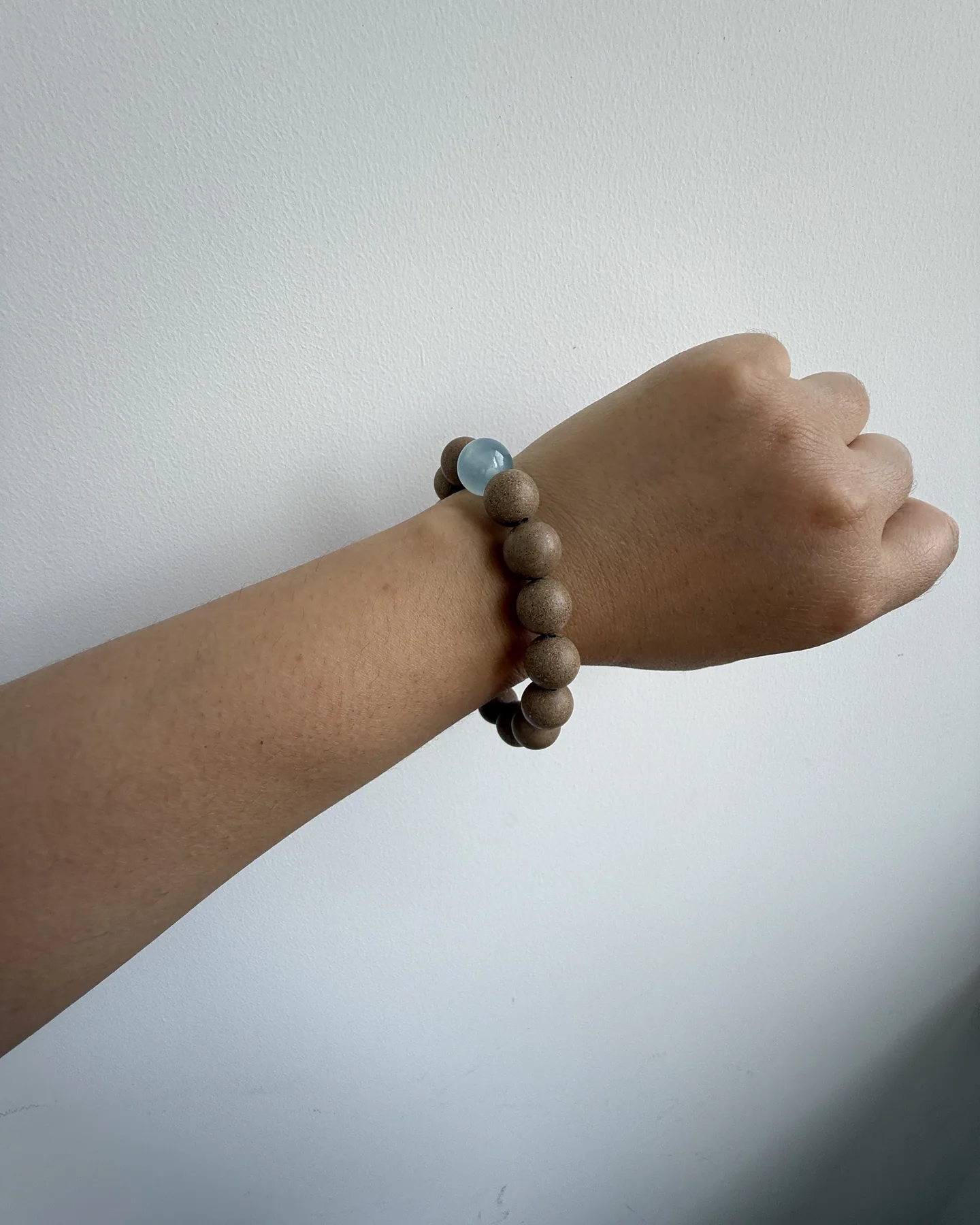
How to Order Samples and Evaluate Quality
Test the scent three ways — cold, worn for an hour, and warmed — because a blended incense bead reads differently in each state and only one of them is how your customer will meet it. Then check the things a photo cannot show: weight, drilling, colour spread, cord quality and hardware finish.
A sample is not a preview of the product. It is a preview of the specification. The difference matters: most sample failures are specification failures, not quality failures, and they are cheap to fix at this stage and expensive to fix later.
How does the sample process work?
- Tell us the SKUs and formats you want to evaluate — not “something similar”.
- Confirm eligibility for the current B2B trial set. The buyer pays the quoted freight; the set is not automatically credited against a later order.
- Confirm dispatch timing in writing. In-stock items normally dispatch within two days; a custom formula is a development project, not a routine sample order.
- Photograph on arrival, before you unwrap. It is your only evidence if the bulk order differs.
- Evaluate against a written checklist (below), and send feedback in writing.
One constraint worth knowing: calling something a sample does not create a separate CITES exemption. The document position follows the exact species, material form, listing annotation and destination. For any sample containing agarwood, we confirm the route before accepting an international shipment request.
What should I test first — and how?
1. Scent, in three states
| State | How | What it tells you |
|---|---|---|
| Cold | Smell the bead at arm’s length, then close | Whether the material is present at all. High-grade material is quiet cold — this is normal |
| Worn | Wear it for an hour | What your customer actually experiences. Body warmth releases the blend |
| Warmed | Hold it in a closed hand for 30 seconds, or warm gently | The middle and base notes; the closest thing to the maker’s intent |
If the scent is strong cold and gone in an hour, you are probably smelling surface oil rather than material.
2. Weight and density
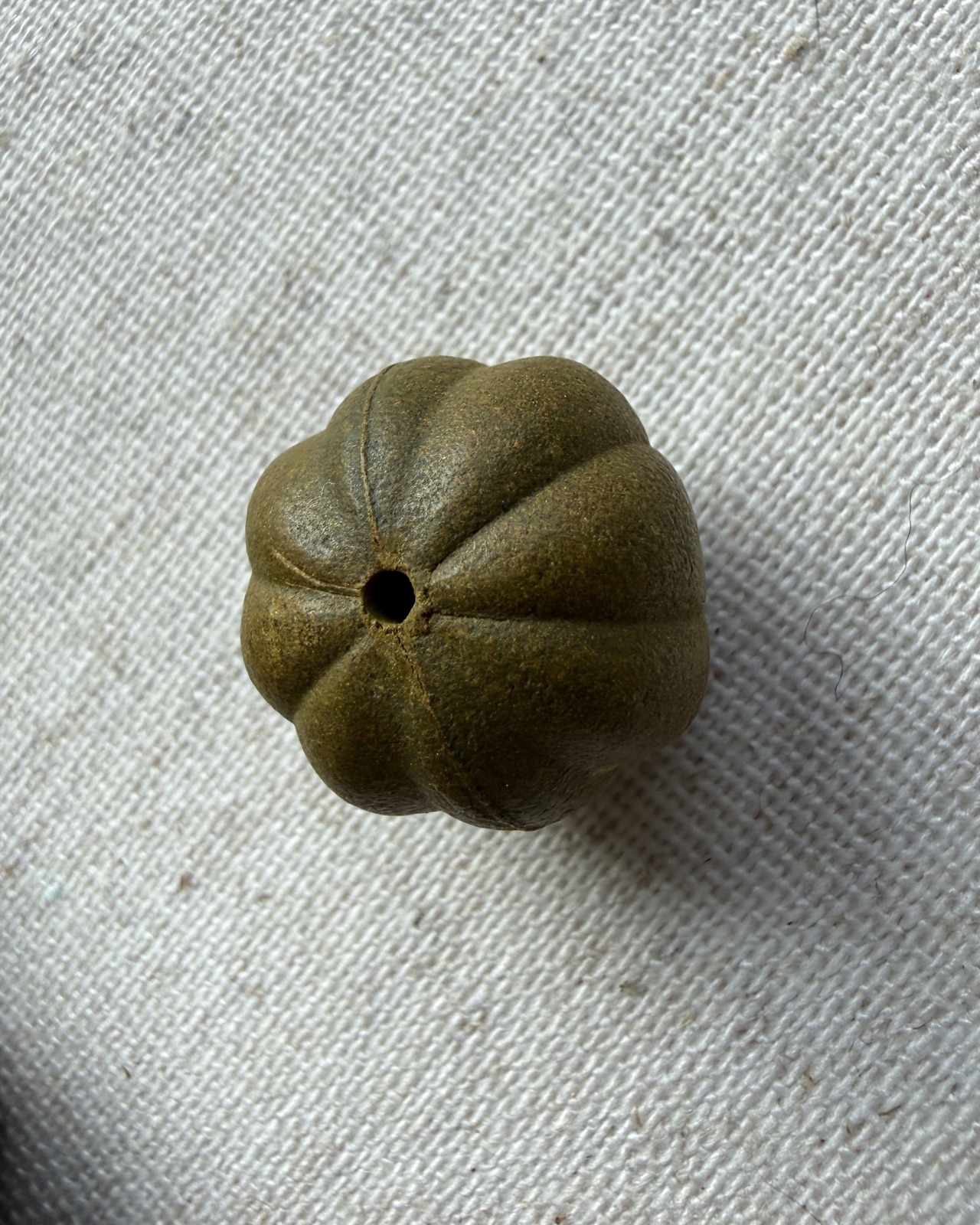
Weigh it and compare the result with the written specification. Do not invent a universal percentage tolerance: acceptable variation depends on the format, diameter, handwork and agreed specification.
3. Drilling and stringing
- Is the hole centred? An off-centre hole makes the bead hang at an angle.
- Are the hole edges clean, or chipped? Chipped edges cut cord.
- Does the cord pass freely? A tight hole will fray the cord at the contact point.
4. Colour and pattern spread
A blended, layered bead varies by nature. What you are checking is whether the spread is acceptable to you, not whether the beads match. Decide the tolerance now, in writing: “within this range is fine” prevents a dispute at delivery.
5. Surface and finish
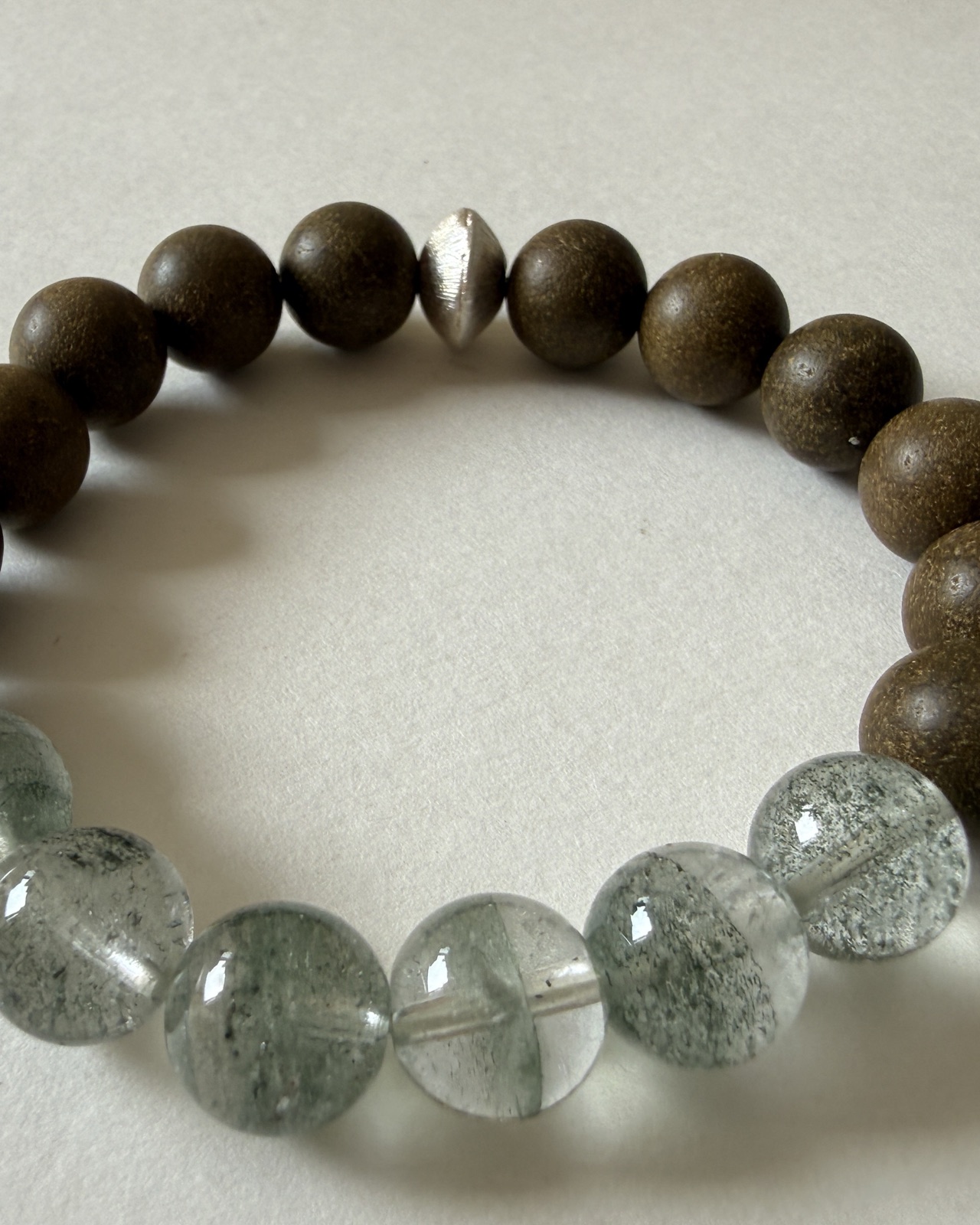
Matte, satin or polished should be consistent across the sample. Look for: sanding marks, patchy finish, unburnished edges around the hole.
6. Cord and hardware
The part everyone ignores and the part that fails first:
- Cord — does it fray when you rub it? Is the knot secure and hidden?
- Hardware — is the finish even? Does the plating look thin at the edges? Ask for the micron spec if it is described as plated.
7. Packaging
Open it the way a customer would. Does the product move inside? Is the card legible? Does the box survive being dropped 30 cm onto a table?
A simple scoring sheet
Score each 1–5, and decide your floor before you start:
| Item | What 3 looks like |
|---|---|
| Scent, cold | Faint but present |
| Scent, worn | Noticeable within an hour |
| Weight consistency | Within the written specification |
| Drilling | Centred, clean edges |
| Colour spread | Within the range you would accept on shelf |
| Finish | Even, no sanding marks |
| Cord / hardware | Secure, even finish |
| Packaging | Survives handling, card legible |
Anything scored 2 or below is a specification conversation, not a taste conversation. Say which item, and what you expected.
What can a sample not tell you?
Be honest about the limits:
- Batch-to-batch variance. One sample cannot show it. The second order is where variance appears.
- Scent longevity. You cannot test two years of fading in a week. Ask the maker what the material does over time, and expect an honest answer, not a number.
- Production consistency at volume. Hand-worked products vary more at 500 pieces than at 5.
- Damage in transit. Sample packaging is often better than bulk packaging. Ask what the bulk carton looks like.
What should I do before placing a bulk order?
- Confirm the specification in writing — dimensions, net weight, bead count, cord, hardware, packaging.
- Ask for a pre-shipment photo set of your actual production, before the balance is paid.
- Start smaller than you think you need. A second order is the real test; the first is the introduction.
- Keep one sample sealed as your reference. When the bulk arrives, compare against it, not against memory.
Frequently asked questions
Are samples free? The current B2B trial set follows a fixed eligibility and freight policy. It is not automatically credited against a later order; confirm the contents, destination and freight in writing.
How many samples should I order? Enough to test wear: two of the format you will stock, plus one of a second format for comparison. One bead in a bag cannot be worn for an hour.
Can I get a sample of a custom formula? Yes, as a development round rather than a sample order. It has its own cost and lead time, and it usually takes more than one round.
What if the bulk order differs from the sample? Raise it in writing against your specification and your arrival photos, and hold the balance. That is exactly why the specification is written down before the order.
Do you send samples of agarwood pieces? Not as a routine international sample. We first confirm the exact material form and destination requirement; raw agarwood pieces should not be treated as equivalent to a composite finished incense product.
Next steps
- How to choose a Chinese incense supplier: 9 checks
- MOQ, lead time and shipping terms explained
- Importing incense products: a compliance checklist
Request samples — specify the SKUs and formats, and we will quote sample cost and freight. → Request Samples