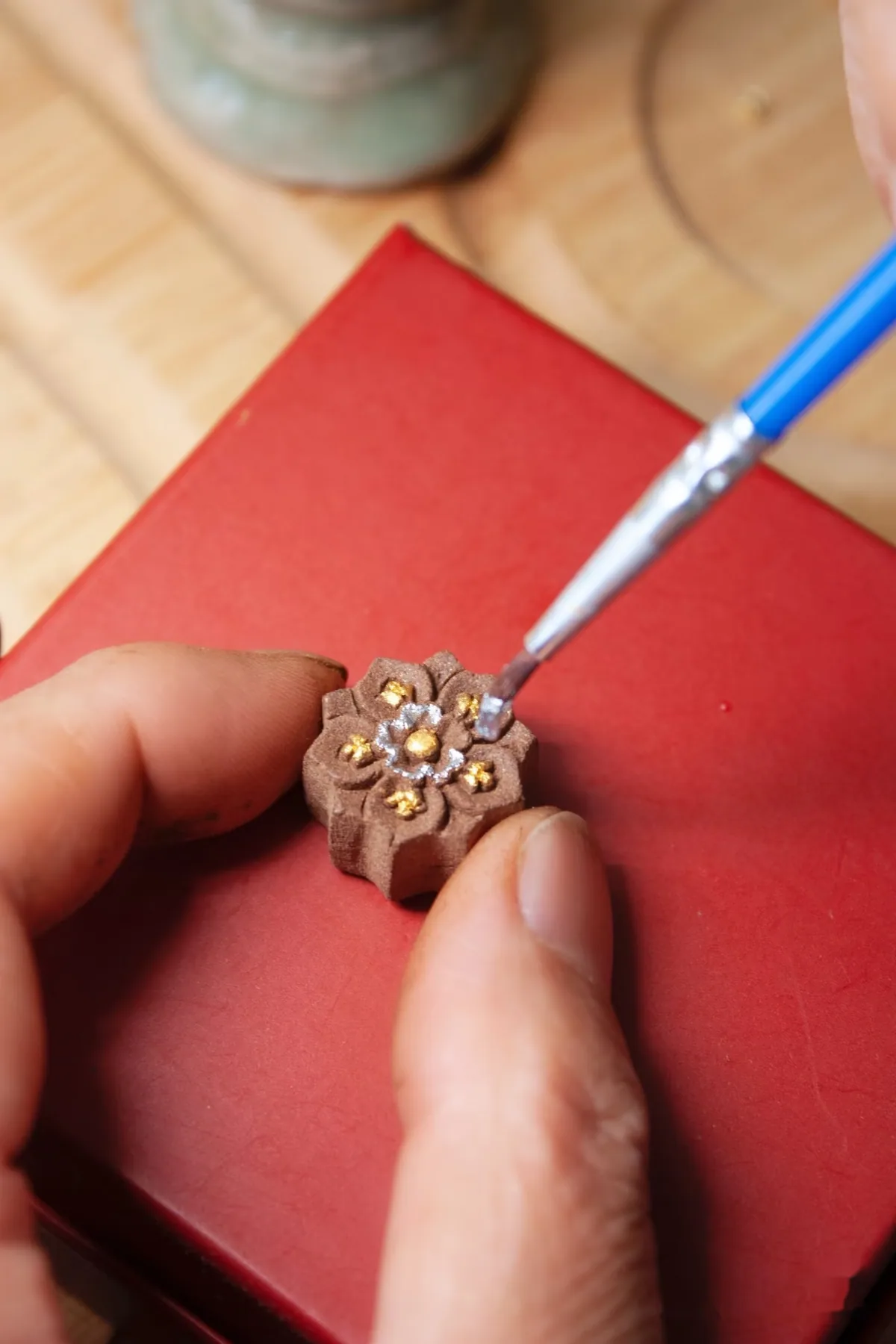
Private Label and OEM: Three Levels of Customization
There are three levels, and they differ by what you are actually changing. Level 1 is your packaging on our design. Level 2 is a configured variation — mix, cord, hardware, motif, finish. Level 3 is a developed product: your formula, your motif, your mould if needed. Each level adds MOQ, lead time and money, in that order.
Most “private label” conversations fail because the buyer and the supplier mean different levels. This page separates them so you can choose deliberately.
Level 1 — Your brand on our design
What changes: packaging only. The product is an existing design, unmodified. What you supply: logo files, brand colours, barcode/UPC if you use one, and copy for the back of the card. What we supply: the product, retail packaging printed with your brand, and a spec sheet.
| MOQ | Lowest of the three levels |
| Lead time | Production + print + packing; confirmed after the packaging specification and supplier schedule are fixed |
| Risk | Low — the product is proven and the spec is fixed |
| Best for | A first own-brand range, or testing a market |
Two constraints worth knowing: the packaging is printed in runs, so a small order means a higher per-unit print cost; and regulatory text on the packaging is your responsibility in your market (see the compliance checklist). We will print what you approve, not what we assume.
Level 2 — A configured variation
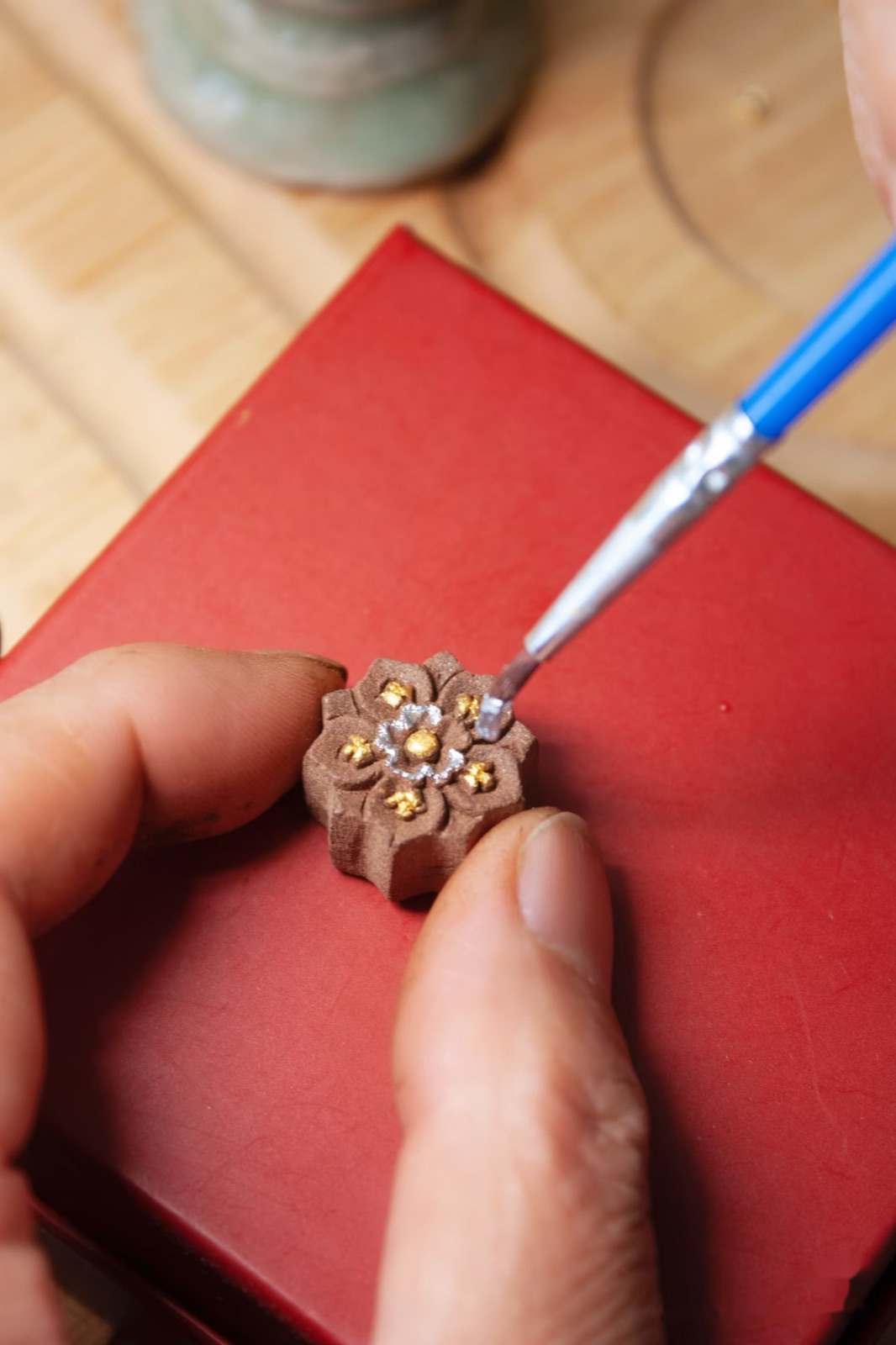
What changes: the product, within a fixed architecture. Typically:
- Bead diameter and count
- Cord type and colour
- Hardware finish (brass tone, silver tone)
- Motif relief, from an existing library
- Packaging format (box, pouch, card-and-bag)
What you supply: the configuration, and the packaging artwork. What we supply: a configured SKU, a spec sheet per SKU, and a sample before the run.
| MOQ | Higher than Level 1 — setup repeats per SKU |
| Lead time | Production + components + packing |
| Risk | Medium — a configuration that has not been made before can surprise you on weight or balance |
| Best for | A retailer building a differentiated range without developing a new product |
The honest constraint: not every combination works. A large bead on a thin cord is unstable; a heavy charm on a short bracelet twists. We will say so at sampling rather than at delivery.
Level 3 — A developed product
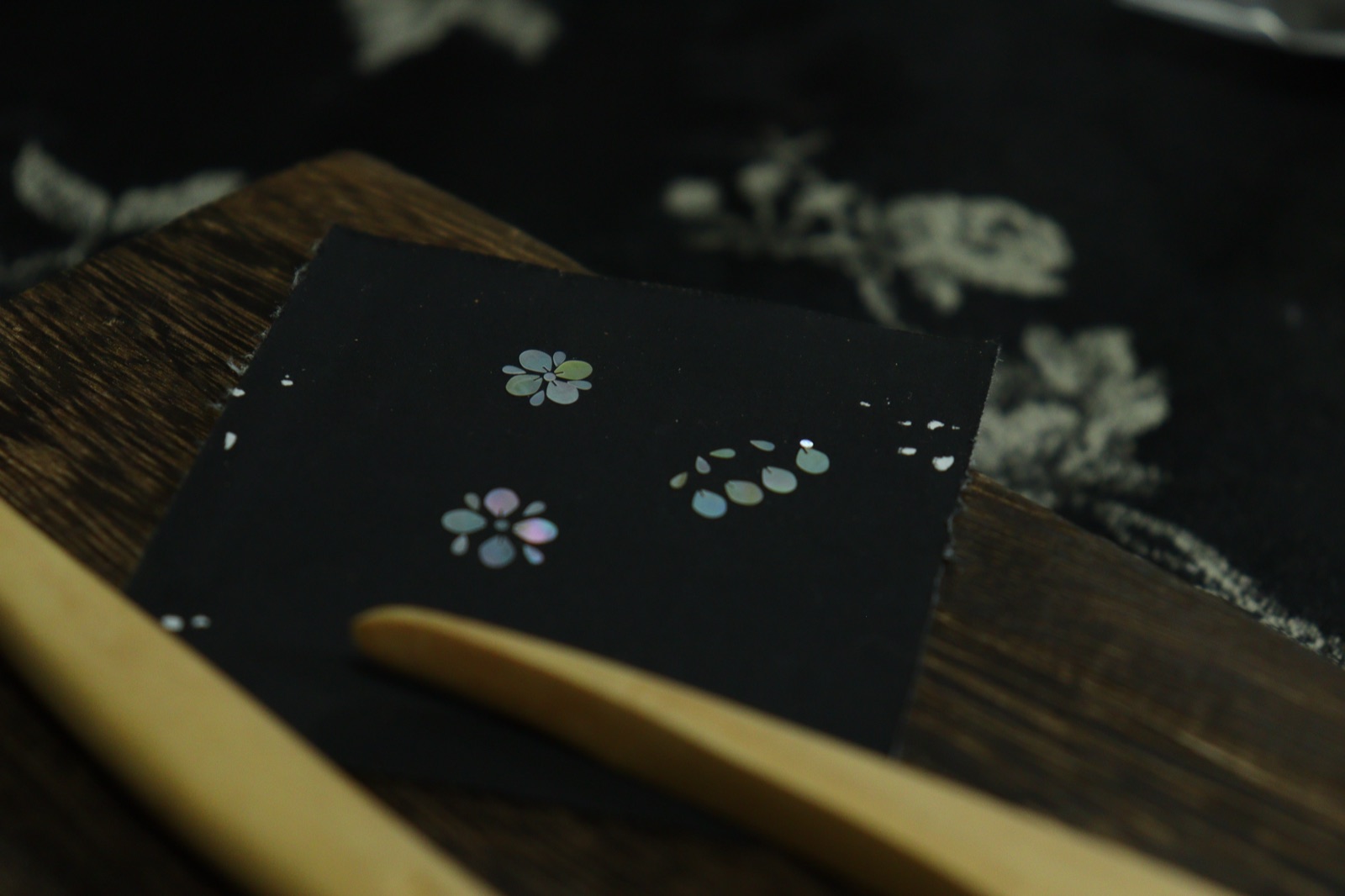
What changes: the formula, the motif, possibly the mould.
- Custom formula — a scent structure built to your brief, sampled, adjusted, then fixed
- Custom motif — new relief design, which means a mould or a CNC step
- Custom format — a shape or construction we do not currently make
What you supply: a brief (scent direction, target retail price, market, any material exclusions), and artwork or reference for the motif. What we supply: development samples in rounds, a fixed formula sheet, a mould if needed, and production.
| MOQ | Highest — a mould and a batch are both minimums |
| Lead time | Development rounds first, then production; the written project schedule controls |
| Risk | High — scent development is iterative and does not always land on the first round |
| Best for | A brand with a defined identity and a retail channel that can absorb the MOQ |
Two things we will not do at this level: name a material we cannot document (see the CITES section in our agarwood page), and put a health claim on a label. Both are the buyer’s liability in their market, and both are avoidable.
Which level should you choose?
| Your situation | Level |
|---|---|
| Testing whether incense jewellery sells in your store | 1 |
| You have a brand and want a signature look without new tooling | 2 |
| You have a scent direction and a channel that can carry volume | 3 |
| You want a gift-with-purchase or a seasonal item | 1, in a seasonal box |
| You are a museum or cultural institution with a specific motif | 2 or 3, depending on whether the motif exists |
What do you need to prepare?
Before a first conversation, have these ready — it shortens the briefing and quotation process:
- Target retail price — it constrains material and construction more than anything else
- Market and channel — boutique, museum store, online, spa
- Material exclusions — anything your market or your brand rules out
- Motif references — images, or a description of the meaning you want
- Packaging constraints — shelf, hanging, boxed, shipped direct
- Volume expectation for year one — an honest range, not a best case
Frequently asked questions
What is the difference between private label and OEM? In practice, private label usually means your brand on an existing product (Level 1), and OEM means manufacturing to your specification (Level 3). The boundary is blurry in this category, so we describe levels instead of using the words.
Can I use my own logo on the product itself? On packaging, yes, at all levels. On the product (a stamped charm, an engraved fitting), that is a Level 2 or 3 conversation with its own tooling.
Who owns the motif if I commission it? You do, once the development is paid for — we will state that in writing. We retain the right to show the work in our portfolio unless you ask otherwise.
Can I start at Level 1 and move up later? Yes, and it is the sensible path. Most of our custom projects started as a Level 1 order.
Do you require exclusivity? No, unless the motif is developed for you, in which case exclusivity follows the ownership agreement.
Next steps
- How our wholesale pricing works
- MOQ, lead time and shipping terms explained
- Retail-ready packaging: our gift box system
Start a custom project — send the brief, the target retail price and the volume range. → Start a Custom Project