
Chinese vs Japanese Incense: What Buyers Should Know
They are two different supply chains answering two different shelf questions. Chinese incense is priced on formula and materials, with a broad range and flexible MOQ; Japanese incense is priced on brand, grade and ceremony, with narrow ranges and long-established distributors. Buy both if your customer is curious; buy one if your shelf has to explain itself in four words.
This is a buying page, not a culture page. If you want the cultural distinction, our museum covers it: Chinese incense. Here the questions are: what you can order, what it costs, how it is described, and where each sells.
What is the difference at the shelf?
| Chinese incense | Japanese incense | |
|---|---|---|
| What the customer is buying | A blend, a formula, a mood | A house, a grade, a practice |
| Typical SKU structure | Wide range, many small brands | Narrow range, deep per line |
| Naming | Material and formula led | House name, line name, poetic name |
| Price ladder | Very wide — entry to high | Wide, but steeper at the top |
| Shelf explanation | Needs a sentence about blending | Needs a sentence about the house |
The practical consequence: Japanese incense sells on brand recognition, Chinese incense sells on material story. If your staff cannot tell a material story, Chinese incense will underperform on your shelf regardless of quality.
How do the supply chains differ?
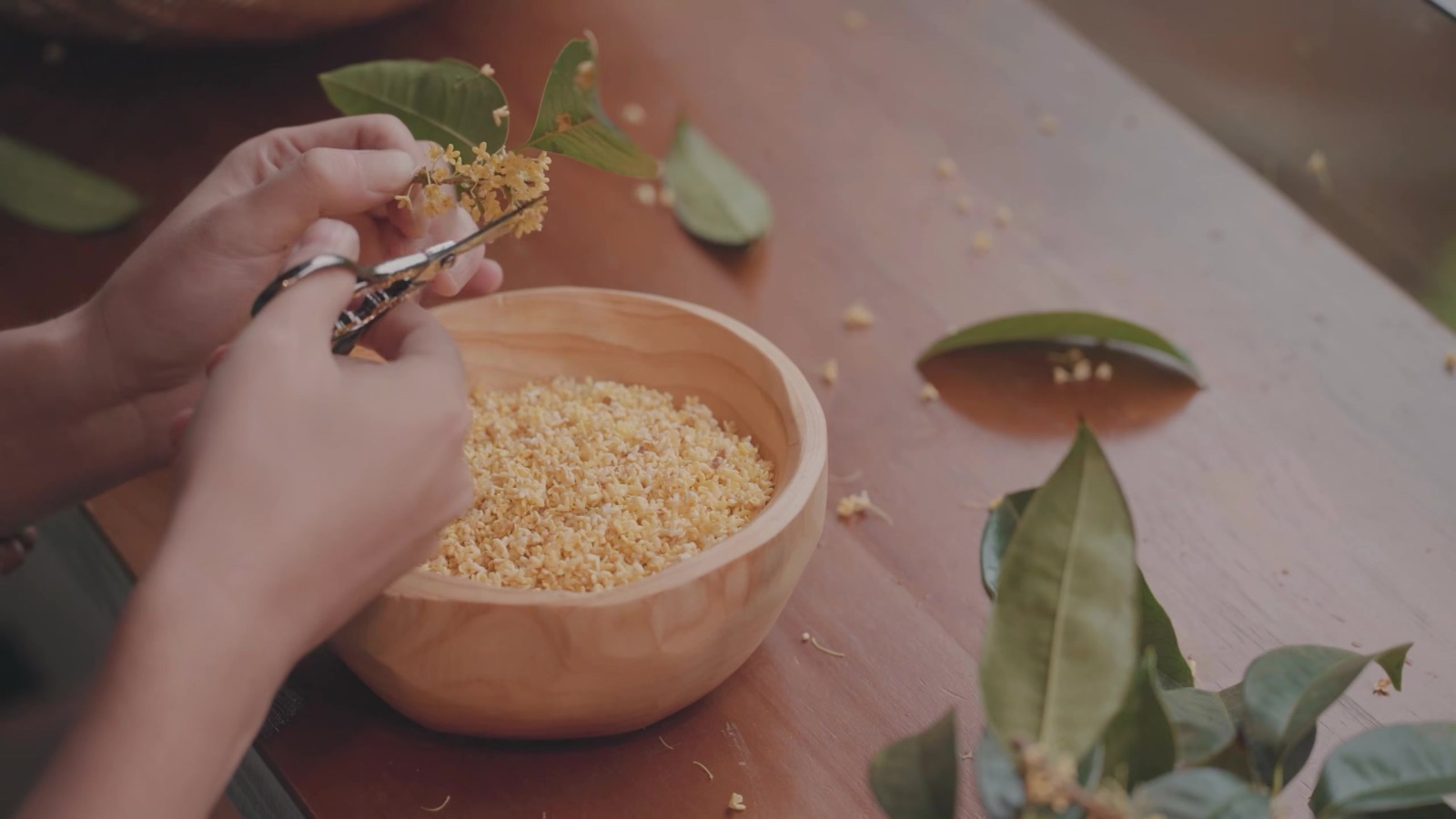
| Chinese | Japanese | |
|---|---|---|
| Sourcing | Direct from workshops and factories; small makers accessible | Usually through established houses and distributors |
| MOQ | Flexible on eligible stock designs; QINGYUN starts at 12 pieces per order and 2 per SKU | Often fixed by brand, line or distributor |
| Custom | Private label and custom formulas are normal | Rarely available outside the house’s own range |
| Lead time | QINGYUN in-stock orders normally dispatch within 2 days; custom projects are quoted separately | Often set by the distributor’s cycle |
| Documentation | Mixed — you must ask for species and test reports | Usually consistent, at a price |
For a boutique, the difference that often matters is configuration flexibility: an independent Chinese workshop may quote packaging or product changes, while an established Japanese house commonly sells through a defined line. Neither is universal, so compare the actual supplier terms rather than treating origin as a guarantee.
What should the shelf description say?
Three rules that prevent the most common merchandising error — describing Chinese incense in Japanese terms:
- Do not use “kōdō” for Chinese incense. It is a specific Japanese practice of listening to incense. Using it as a generic word for incense ceremony is wrong and customers who know will notice.
- Lead with the formula. “A blend of sandalwood, rose and cinnamon, pressed and aged” tells a Chinese-incense customer what they are buying. “Premium natural incense” tells them nothing.
- Say what it is not. If it is a blended stick, do not imply it is a single-wood stick — the single-wood category is where Japanese brands are strongest, and a false comparison loses twice.
What sells where?
| Channel | Chinese incense | Japanese incense |
|---|---|---|
| Boutique / lifestyle | Strong — material story, gift price points | Strong if the brand is known |
| Museum / cultural store | Strong — the craft narrative is the product | Moderate — usually a small, curated set |
| Spa / wellness | Strong, but avoid health claims | Strong, with the same caution |
| Grocery / mass | Difficult — needs explanation | Rare |
| Online | Strong — content can carry the explanation | Strong — brand search does the work |
What about the “which is better” question?
It is the wrong question, and it is worth saying so to your customer. The two traditions answer different questions: the Chinese tradition asks how materials combine into a formula; the Japanese tradition asks whether you can distinguish a single material. A customer who wants to identify a wood is not the same customer who wants a blend.
Both are legitimate, and a shelf that carries both is a shelf that teaches. It only fails if the signage collapses them into one category.
What should I check before ordering either?
Same four checks, regardless of origin:
- Species names — Latin, not trade names
- Ingredient disclosure — including the binder
- Test reports — for skin-contact products and metal components
- CITES status — for agarwood, and for any rosewood-family material
On the last point: a Japanese supplier is not automatically compliant and a Chinese one is not automatically non-compliant. Agarwood is CITES Appendix II regardless of who is selling it. → Why CITES matters
How should I price a mixed shelf?
Two approaches, both workable:
- Separate ladders — Japanese line at its brand-supported price, Chinese line at a material-story price. Clear to staff; needs two sets of signage.
- One ladder by function — entry, everyday, occasion — with origin as an attribute rather than a tier. Easier for the customer; requires staff who can explain both.
Do not put them in one ladder by price alone. It invites a comparison the Chinese product will lose on brand and the Japanese product will lose on range.
Frequently asked questions
Is Chinese incense cheaper than Japanese? At the entry level, yes, often substantially. At the top end, the gap narrows — high-grade Chinese materials and Japanese premium lines can meet. Compare like for like: material, net weight, and grade.
Can I private-label Japanese incense? Rarely, and not through this channel. Private label is normal in the Chinese supply chain and unusual in the Japanese one.
Does “Chinese incense” mean sticks? No. It also covers coils, loose powder, resin and blended beads. In English, “incense” defaults to sticks, which is why the category is often undersold. → What Chinese incense covers
Which is easier to sell online? Chinese incense — because a material story can be written, photographed and linked, while a house name relies on recognition the customer may not have.
Next steps
- How to choose a Chinese incense supplier: 9 checks
- Importing incense products: a compliance checklist
- Best-selling formats in Western retail
Line sheet — formats, dimensions, materials and MOQ, with the species list for each formula. → Request the Line Sheet