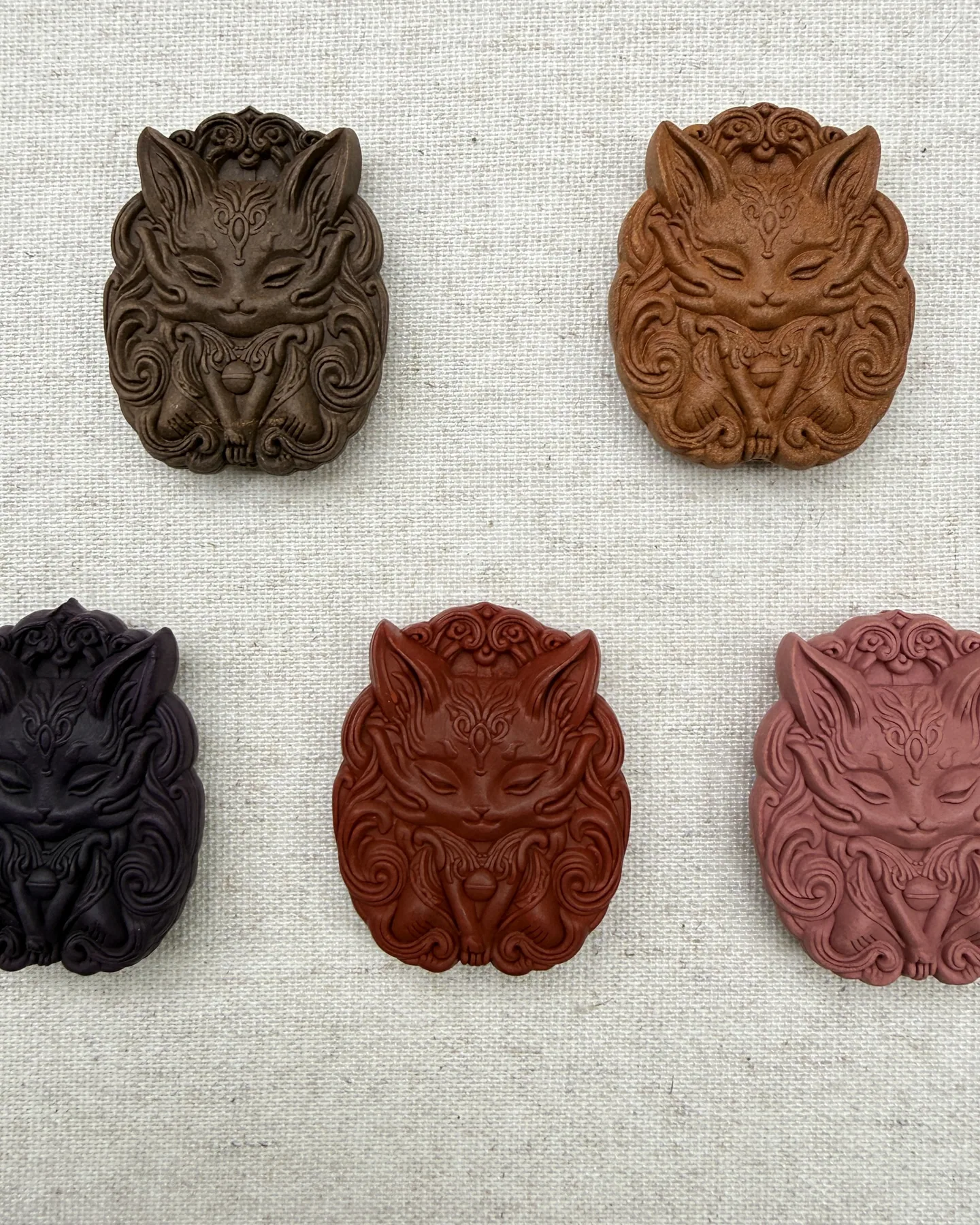
Best-Selling Formats in Western Retail: Bracelets, Pendants and Beads
Four formats do the work: the single-bead bracelet, the pendant, the charm, and loose beads for makers. They occupy different price points and different occasions, and the mistake on a first order is almost always breadth — too many designs, too shallow — rather than depth. Buy fewer designs, more of each.
We are not going to dress this up as a dataset. What follows is our read of the category across the channels we sell into, framed as decision rules you can test with a small first order.
What are the four formats?
| Format | Price position | Occasion | Channel fit |
|---|---|---|---|
| Single-bead bracelet | Entry | Self-purchase, small gift | Boutique, market, online |
| Pendant | Mid | Considered gift, personal | Boutique, museum store, online |
| Charm (bag, car) | Entry–mid | Impulse, gift, male customer | Counter, market, gift shop |
| Loose beads | Lowest per unit | Maker, customiser, workshop | Online, craft retail, workshop |
Why does the single-bead bracelet matter so much?
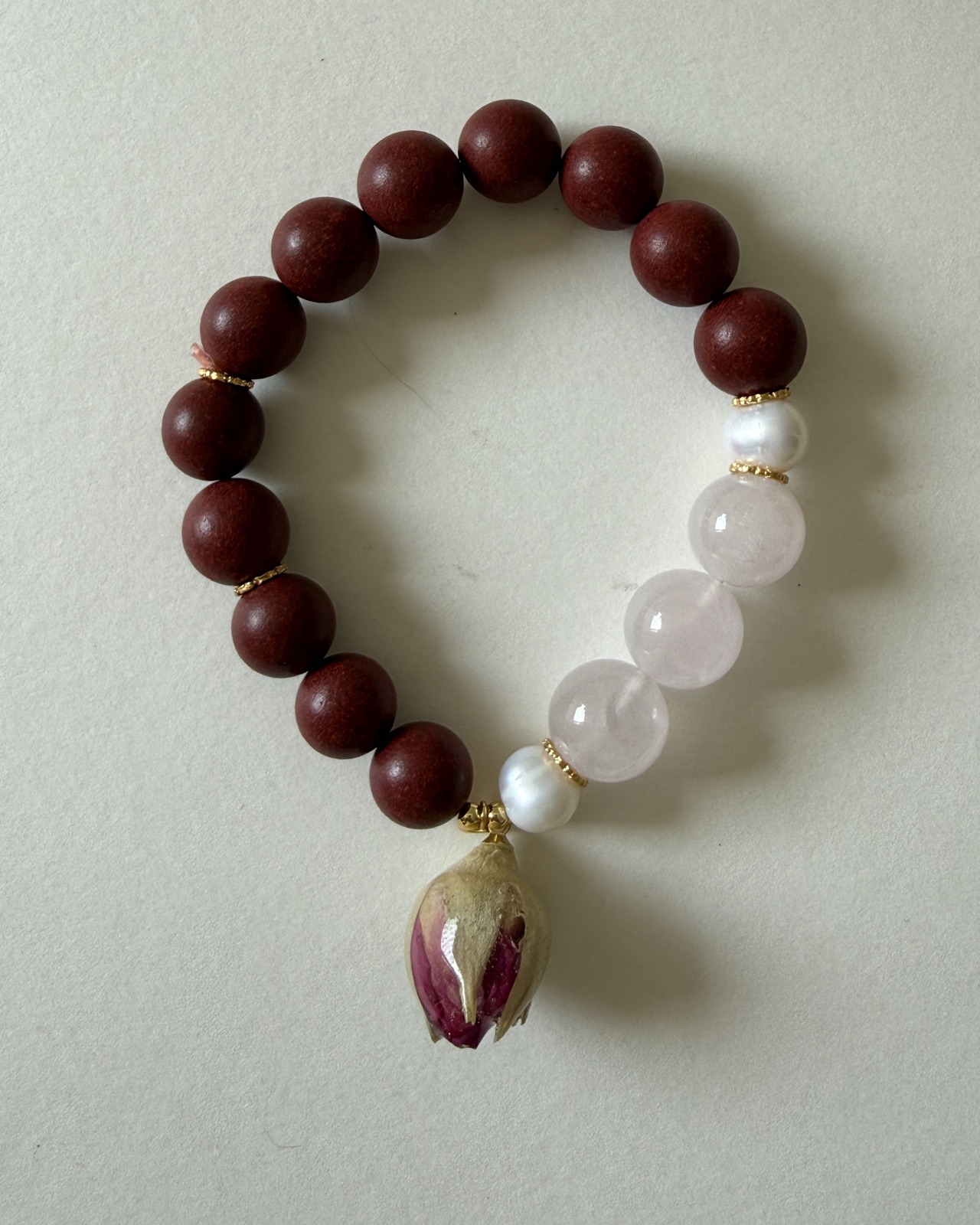
Because it is the format that lets a customer try the category at the lowest risk. One bead, one cord, one price point. It answers “do I like this material” without asking the customer to commit to a full strand or a pendant.
For a retailer, that makes it the assortment’s entry point — and often the highest unit-velocity item, even though it is the lowest ticket.
Where does the pendant earn its place?
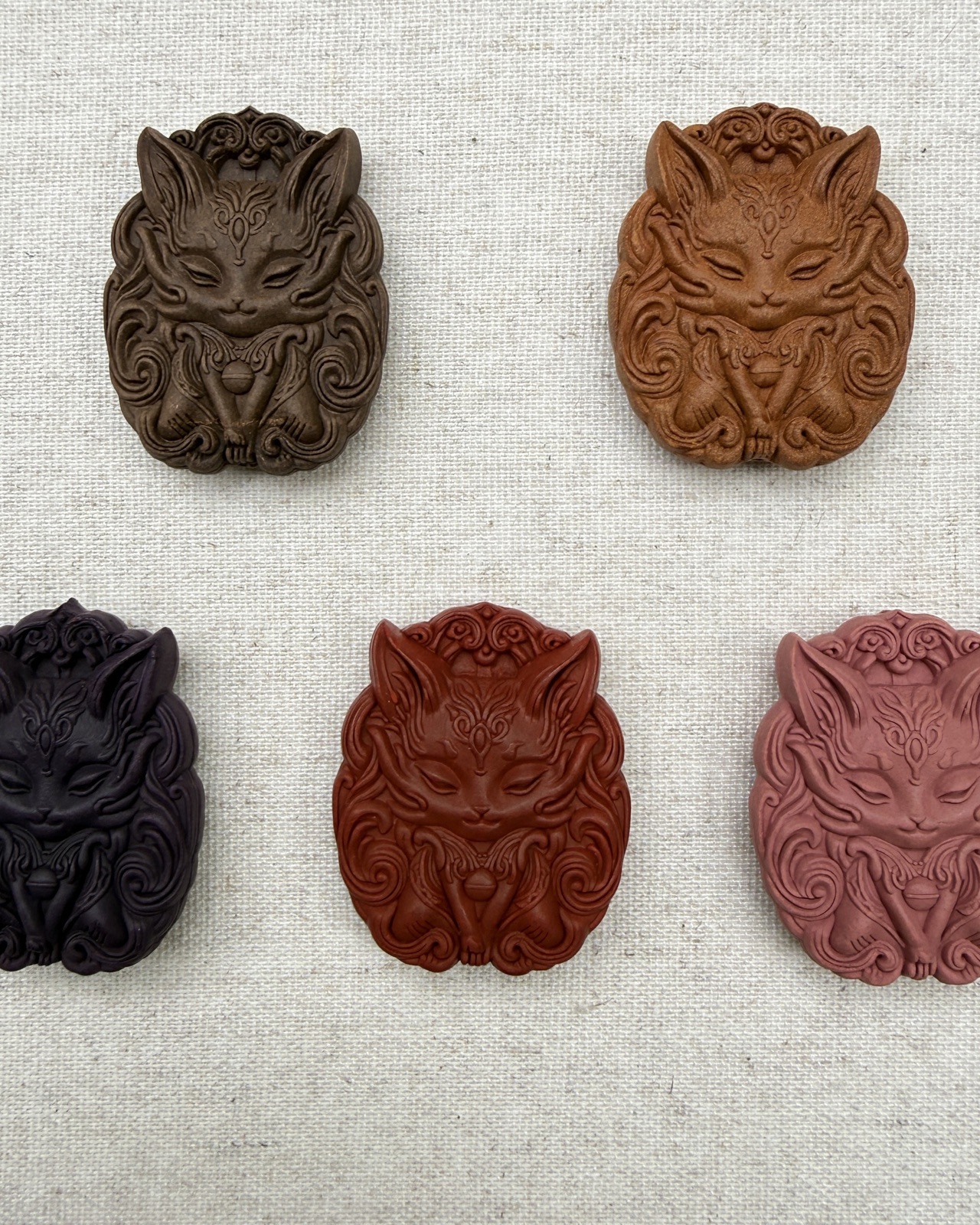
The pendant is where the material becomes jewellery rather than an object. It is also:
- The highest-margin format in a boutique, because the perceived value is design plus material
- The most photographed format — it hangs, it catches light, it styles easily
- The hardest to sell online without a scale reference, because size is ambiguous
If your channel is online-only, shoot the pendant on a body at a known distance, and state dimensions in millimetres. Vague sizing is the main return driver in this format.
Why does the charm outsell expectations?
Two reasons, both structural:
- It solves a gifting problem. A charm is a safe gift for someone whose taste you do not know.
- It reaches a different customer. Bag and car charms have a materially higher male purchase rate than bracelets or pendants. If your customer base is mostly women, the charm is how you reach the other half.
It is also the cheapest way to put the material in front of someone — which makes it the natural trial format in a market stall or a counter bowl.
What about loose beads?
A distinct business, not a variant:
- Who buys: makers, custom jewellery sellers, workshop hosts, and customers who want to restring something
- Why: they want the material, not the design
- Pricing logic: per bead, and by diameter — a 12 mm bead is not the same product as a 10 mm
- The catch: loose beads invite comparison shopping on unit price, which is a harder conversation than design
For a boutique, loose beads are usually a workshop or refill add-on, not a core line. For an online seller with a craft audience, they can be the main line.
How deep should a first assortment be?
The rule we recommend: fewer designs, deeper quantities.
| Approach | Effect |
|---|---|
| 8 designs × 3 pieces | Every design looks thin on shelf; nothing reorders |
| 4 designs × 6 pieces | Each design reads as a real option; two will reorder |
| 4 designs × 12 pieces | Deeper still — good if you already know the demand |
Three practical consequences of going broad too early: the display looks sparse, staff cannot learn the range, and you cannot tell which design actually sold.
How should the formats be combined?
A four-SKU starter assortment that teaches the category:
- One bracelet, entry price
- One pendant, mid price
- One charm, entry–mid
- One deeper design in the best-selling format, at quantity
That is enough to test the category in a small footprint, and it gives you three price points without three stories to explain.
What sells where?
| Channel | Format priority |
|---|---|
| Boutique | Bracelet → pendant → charm |
| Museum / cultural store | Pendant → charm (motif-led) |
| Spa / wellness | Bracelet (entry), charm (gift) |
| Market / pop-up | Charm → bracelet (hand-reach, low ticket) |
| Online | Pendant → bracelet → loose beads |
| Craft / maker audience | Loose beads → charm |
What should I avoid?
- Over-assortment on a first order. Breadth feels safe and sells worse.
- Mixing motifs and materials in one display. It reads as a jumble rather than a range.
- Selling the material on price. This category loses every price comparison and wins every material comparison — market accordingly.
- Discounting early. A story-led product marked down in week two teaches customers to wait.
What should I do before a first buy?
- Pick the channel you can actually serve — one, not three.
- Choose two formats, not four. Add later.
- Decide the price ladder first, then choose designs that fit it.
- Order samples of both formats and wear them for a week.
- Write the shelf description before you order, so the buy is driven by what you can explain.
Frequently asked questions
Which format sells best? In our experience the single-bead bracelet has the highest unit velocity and the pendant the highest margin. That is a pattern, not a guarantee — channel and price ladder change it.
Should I buy loose beads or finished pieces? Finished, unless your customer is a maker. Loose beads are a different business with a different price conversation.
How many designs should a first order have? Two formats, three to four designs. Depth beats breadth until you have sell-through data.
Do the formats share components? Bracelet and charm often share the bead and the cord; the pendant adds a bail. Sharing components is what makes a small assortment economically sensible.
Can I start with one format? Yes, but one format does not teach the category — the price comparison between two is part of the sale.
Next steps
- How to merchandise incense jewelry in a boutique
- Retail-ready packaging: our gift box system
- How to order samples and evaluate quality
Line sheet — all four formats, with dimensions, materials, MOQ and packaging options. → Request the Line Sheet